

5 Features Tenants Want Most in a Modern Commercial Building
The landscape of commercial real estate is undergoing a significant transformation as businesses prioritize employee experience and operational efficiency. Simply providing square footage is no longer enough to attract and retain high-quality occupants. Modern organizations seek environments that foster innovation while meeting rigorous standards for health, connectivity, and environmental responsibility.
1. Designing Flexible and Modular Floor Plans
The traditional office layout with fixed rows of desks has largely become a relic of the past. Today’s tenants require spaces that can be reconfigured at a moment's notice to accommodate different work styles, from focused individual tasks to large-scale collaborative brainstorming. By working with an experienced commercial building contractor, property owners can implement movable wall systems and modular utility grids that allow for total spatial agility.
Beyond just open space, modern modularity includes the integration of specialized "zones" designed for specific activities. Quiet pods for private calls, large communal islands for team workshops, and lounge areas that mimic the comfort of a home are all in high demand. Providing these diverse environments within a single footprint allows a tenant to maximize their leased square footage without feeling cramped. A well-executed modular design effectively future-proofs the investment against changing market trends.
The physical infrastructure must also support these rapid changes without requiring invasive renovations every few years. Raised floor systems and overhead power drops allow furniture and workstations to move freely across the floor plate. According to Autodesk, 82% of owners believe they need better collaboration with their contractors. This collaborative spirit is essential when a commercial building contractor designs these complex systems to support the long-term needs of a high-tech workforce.
2. Integrating Smart Technology and Connectivity
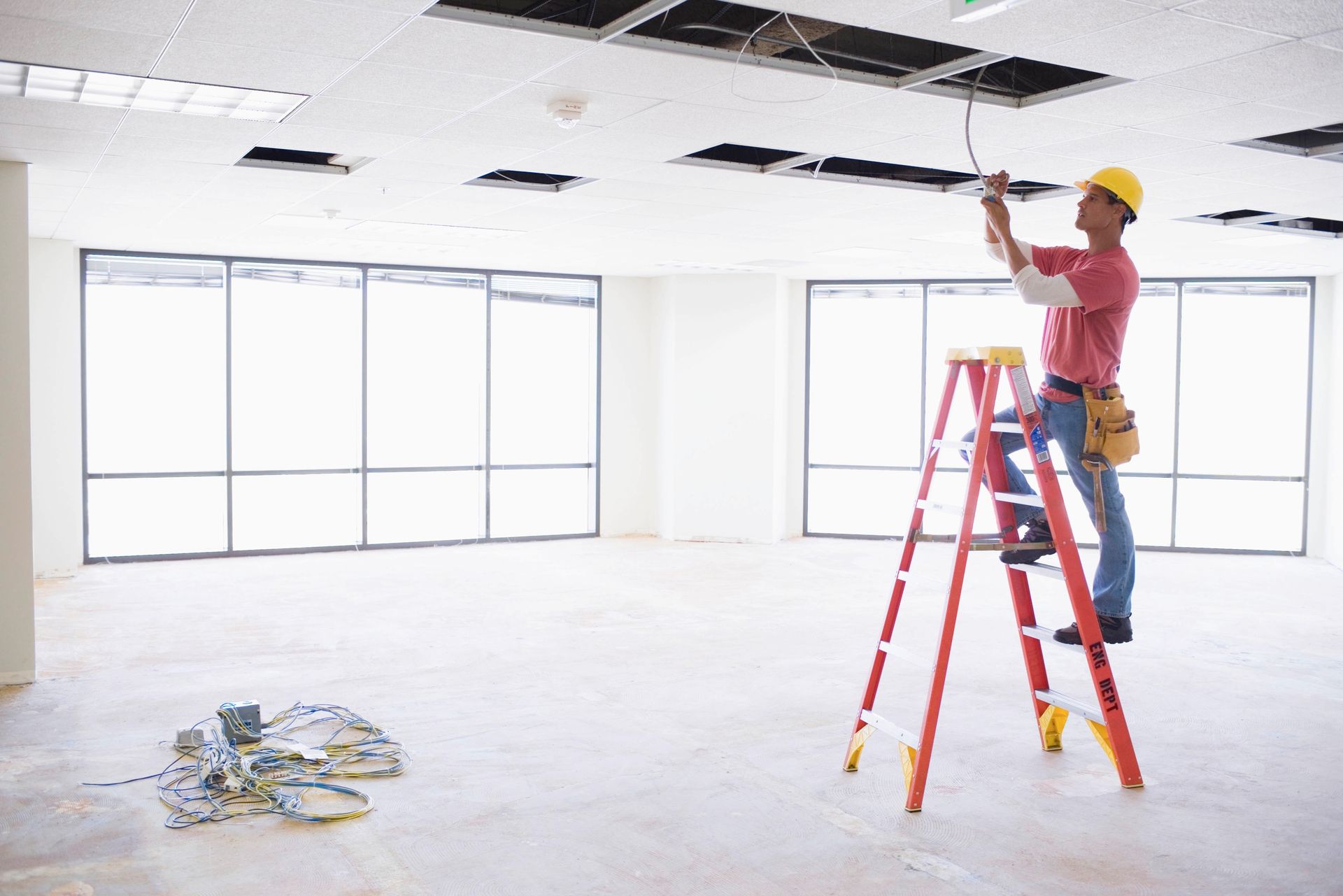
In the current digital economy, high-speed fiber connectivity is viewed as a basic utility rather than a luxury upgrade. Tenants expect seamless, building-wide Wi-Fi that remains stable as employees move between common areas, elevators, and private suites. Integrating a robust data infrastructure during the initial build or a major retrofit prevents the need for messy, exposed cabling later on. A contractor coordinates these low-voltage installations to provide the "plug-and-play" experience that modern tech and finance firms demand.
Smart building systems also play a vital role in managing the daily experience of the occupants. Internet of Things sensors can monitor occupancy levels in real time, automatically adjusting lighting and HVAC settings based on where people are actually working. This level of automation provides a personalized environment while significantly reducing wasted energy in empty conference rooms. Property managers can use the resulting data to provide tenants with insights into how their space is utilized.
Security technology has also evolved beyond simple badge access to include touchless entry and integrated mobile credentials. Employees appreciate the convenience of using their smartphones to navigate the building, from the parking garage to the office door. These systems can be linked to elevator dispatching to reduce wait times and improve the flow of traffic during peak hours. When a commercial building contractor installs these integrated security platforms, they provide a sense of safety and modernity that increases the overall marketability of the property.
3. Prioritizing Wellness and Biophilic Elements
Employee health has moved to the forefront of corporate priorities, leading to a surge in demand for features centered around wellness. Advanced air filtration systems that remove pathogens and pollutants are now a baseline requirement for premium office space. Tenants look for buildings that utilize high-performance HVAC units and continuous air quality monitoring to provide a healthy indoor environment.
Biophilic design, which incorporates natural elements into the built environment, is another key feature that attracts top-tier tenants. Large windows that maximize natural daylight, indoor living walls, and the use of natural materials like wood and stone help reduce stress and boost productivity. These features create a more inviting atmosphere that contrasts sharply with the sterile corporate environments of previous decades. A commercial building contractor can help source sustainable, nature-inspired materials that meet both aesthetic and durability requirements.
Outdoor spaces have also become a major differentiator for modern commercial properties. Private terraces, rooftop gardens, and landscaped courtyards provide much-needed areas for employees to take breaks and recharge in the fresh air. These spaces are often used for informal meetings or company events, adding a layer of hospitality to the traditional office experience. Integrating high-quality outdoor amenities requires a contractor who understands the structural and waterproofing complexities involved in creating functional rooftop or balcony areas.
4. Committing to Sustainability and Efficiency
Environmental, Social, and Governance goals are driving many corporate leasing decisions today. Tenants are increasingly looking for properties that carry green certifications and demonstrate a clear commitment to reducing carbon emissions. Features such as solar arrays, greywater recycling systems, and energy-efficient building envelopes help companies meet their internal sustainability targets. These "green" buildings are often more attractive because they signal a forward-thinking ownership group and a high standard of construction quality.
Operating costs are also a significant concern for modern businesses, making energy efficiency a major selling point. LED lighting with daylight harvesting, high-efficiency boilers, and smart thermostats all contribute to lower utility bills for the occupant. When a commercial building contractor prioritizes the thermal performance of the building skin, the internal systems do not have to work as hard to maintain a comfortable temperature. This creates a more predictable overhead cost structure for the tenant while enhancing the overall comfort of the space.
Sustainable features also extend to the transportation options supported by the building. Electric vehicle charging stations and secure, indoor bicycle storage with shower facilities are highly valued by an environmentally conscious workforce. Providing these amenities encourages greener commuting habits and makes the building more accessible to employees who live in urban centers. A contractor can integrate this specialized infrastructure into the parking and basement levels to meet the growing demand for diverse transit support.
5. Providing High-End Hospitality Amenities
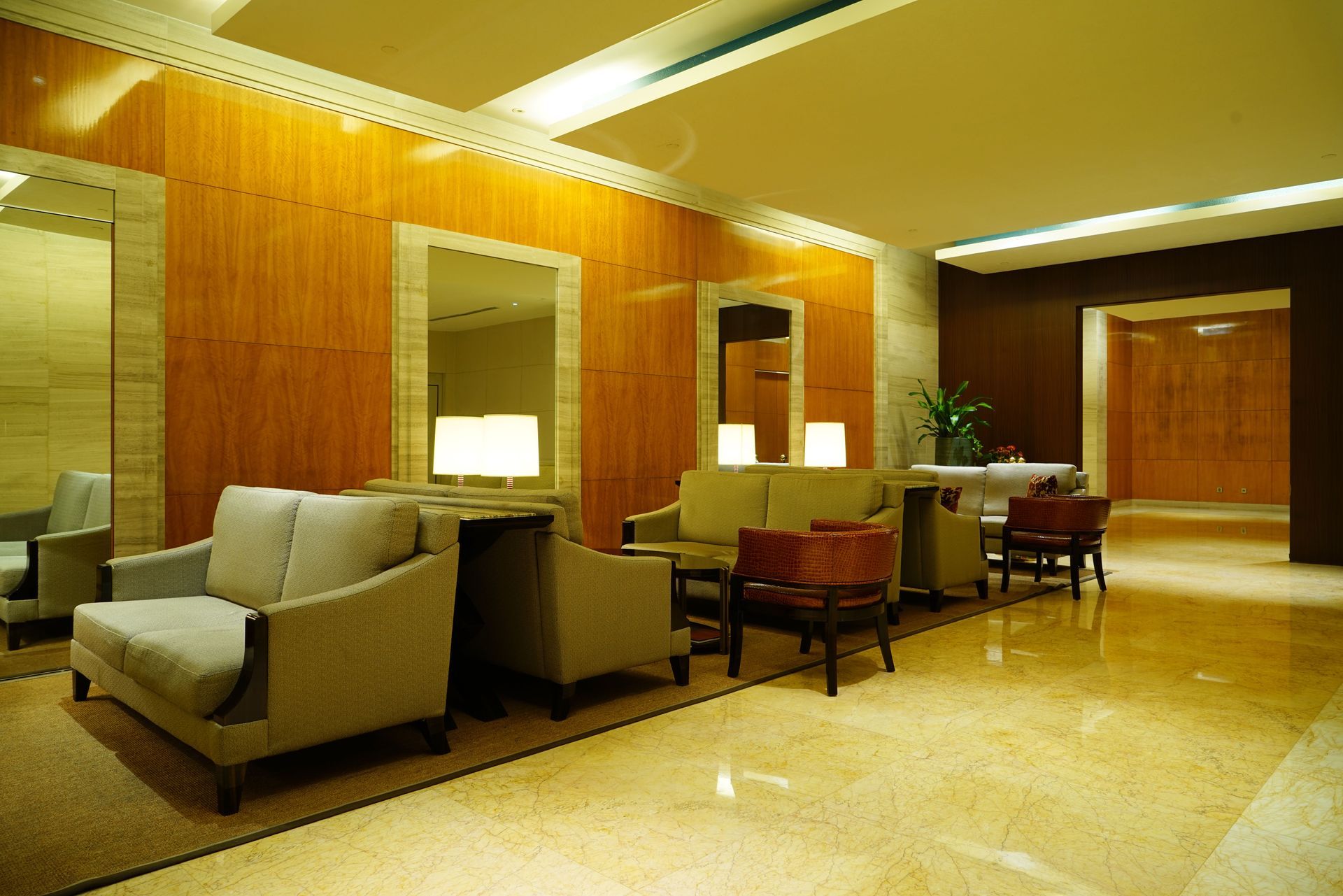
The line between the office and a luxury hotel is blurring as developers seek to create "experiential" workplaces. Modern tenants desire on-site amenities that support their busy lives and make the workday more convenient. This includes full-service fitness centers, high-end cafe concepts, and even concierge services that handle tasks like dry cleaning or package management. These features help transform the building from a simple place of work into a vibrant community hub that boosts workplace morale.
Shared conference centers and "plug-and-work" lounges in the lobby are also becoming standard requirements. These common areas allow tenants to host large meetings or events without having to dedicate their own expensive square footage to a room that is only used occasionally. These spaces are typically designed with upscale finishes and integrated audiovisual technology to provide a professional impression for visiting clients. A contractor focuses on high-quality acoustics and lighting in these zones to provide a premium user experience.
The quality of the "soft" amenities, such as on-site food and beverage options, can make or break a leasing deal. Tenants prefer diverse, healthy food options over traditional vending machines or basic snack bars. High-quality retail on the main floor, such as boutique coffee shops or fast-casual restaurants, activates the streetscape and provides convenience for everyone in the building. When a commercial building contractor builds out these retail shells, they verify that the mechanical and plumbing systems can support a variety of food service uses, making the property more attractive to a wide range of operators.
Creating a modern commercial building requires a focus on flexibility, technology, and human wellness. Modern tenants demand spaces that reflect their values and support a hybrid, high-tech way of working. By partnering with a skilled commercial building contractor, owners can deliver the premium features that define today's most successful properties. Visit Nail Builders, Inc to begin your property transformation and learn how our dedicated team can integrate these modern, tenant-focused features into your next development.

Share On: